.svg)
Discover essential password management best practices to safeguard your business. Learn why a strong password policy for business is crucial for security.

October 30, 2026
What we keep hearing from businesses is that they often believe their backups alone are enough to keep them safe from unexpected disruptions. But having a backup isn’t the same as having a real plan for business continuity and disaster recovery, especially when every hour of downtime can cost thousands. Industry research shows that most companies underestimate both the frequency and impact of IT outages, which can be caused by anything from a natural disaster to human error.
"A business continuity and disaster recovery plan is more than just a backup; it's a proactive strategy to keep your business running, no matter what happens."
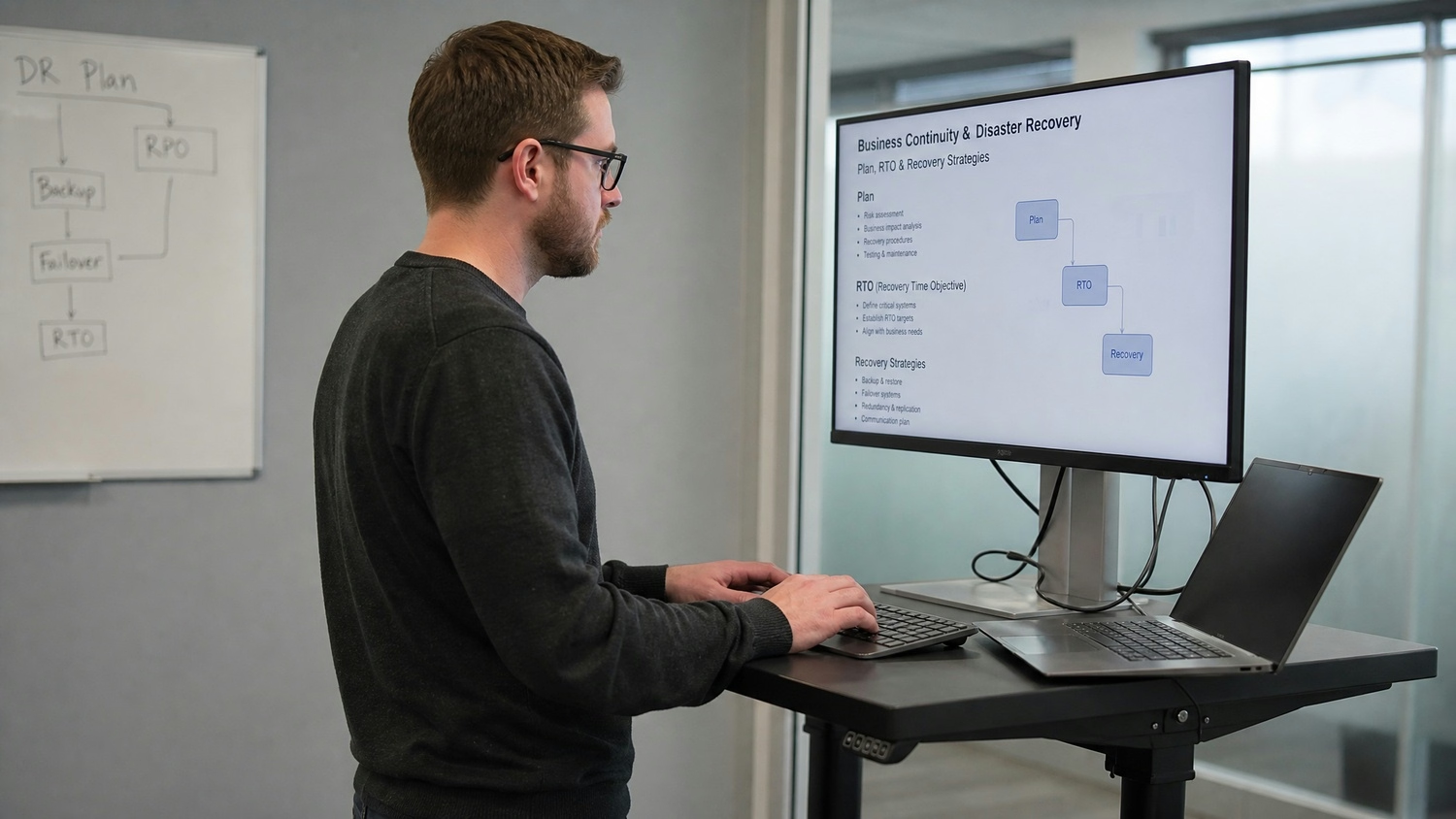
If you want your business to stay resilient, you need to think beyond just restoring files. Business continuity and disaster recovery are about making sure your critical business functions and operations keep moving, even when the unexpected happens. This means planning for disruptions, understanding your recovery time objective (RTO) and recovery point objective (RPO), and having clear recovery strategies in place. With the right approach, you can minimize downtime, reduce data loss, and restore your business quickly after any disaster scenario.
Business continuity and disaster recovery are two sides of the same coin. Business continuity focuses on keeping your business operations running during and after a disruption, while disaster recovery is about restoring IT systems and data as quickly as possible. Both are essential for protecting your business from downtime, data loss, and lost revenue.
A strong business continuity plan outlines how your team will respond to different types of disasters, from cyberattacks to power outages. Disaster recovery plans, on the other hand, detail the technical steps needed to restore systems and data. Together, these plans help you recover faster and keep your customers’ trust. Being proactive with risk management and regular risk assessment makes a big difference in how well your business weathers any storm.
Even with the best intentions, businesses often make avoidable mistakes that leave them exposed. Here are some of the most common pitfalls and how to avoid them.
Many companies think having a backup is enough. But backups alone don’t guarantee quick recovery or minimal downtime. You need a full disaster recovery plan that covers how to restore systems, not just files.
Skipping a business impact analysis means you may not know which business processes are most critical. This can lead to wasted time and resources during recovery, or worse, missing key functions that keep your business running.
A plan that’s never tested is almost as risky as having no plan at all. Regular testing uncovers gaps and ensures everyone knows their role in a real disaster scenario.
Disasters aren’t always caused by storms or hackers. Simple mistakes—like deleting important files—can cause major disruptions. Your plan should account for human error and have steps to recover quickly.
Without clear recovery time objectives (RTO) and recovery point objectives (RPO), you won’t know how fast you need to recover or how much data you can afford to lose. Setting these targets helps guide your recovery strategies.
Businesses change, and so do risks. If your continuity and disaster recovery plan is outdated, it may not cover new systems or threats. Review and update your plan at least once a year.
A well-designed plan brings several important advantages:

Cloud disaster recovery has become a game-changer for many businesses. By storing backups and recovery systems in the cloud, you gain flexibility and speed that traditional methods can’t match. Cloud solutions make it easier to restore data from anywhere, reduce hardware costs, and scale as your business grows.
With cloud disaster recovery, you can also automate many recovery tasks, which shortens recovery times and reduces the chance of human error. This approach is especially useful for businesses that need high availability and can’t afford long periods of downtime. As threats evolve, cloud options offer a reliable way to stay ahead and keep your business protected.
Creating an effective business continuity plan takes careful planning and regular updates. Here’s a step-by-step look at what you should include.
Start by identifying the risks your business faces, from natural disasters to cyber threats. This helps you understand where to focus your efforts and which business functions are most vulnerable.
Analyze how disruptions could affect your business operations. This step helps you prioritize critical business processes and set realistic recovery objectives.
Choose the best ways to restore systems and data. This might include cloud disaster recovery, offsite backups, or manual workarounds for essential tasks.
Decide how quickly you need to recover (RTO) and how much data you can afford to lose (RPO). These targets guide your technology choices and recovery plans.
Write down every step, role, and contact. Make sure everyone knows what to do in a disaster scenario. Clear communication is key to a smooth recovery.
Run drills and update your plan as your business changes. Regular testing ensures your plan stays effective and everyone is ready to act.

Putting your disaster recovery plan into action requires more than just writing it down. You need to make sure your team is trained, your systems are compatible, and your backups are reliable. Start by assigning clear roles and responsibilities so everyone knows what to do if disaster strikes.
It’s also important to review your technology stack and make sure your recovery tools work together. For example, if you’re using cloud disaster recovery, test your ability to restore data and systems from the cloud. Regularly check your backup schedules and storage locations to avoid surprises. By staying proactive, you can catch small issues before they become big problems.
Follow these proven tips to strengthen your plan and avoid common pitfalls:
A little preparation goes a long way toward building true resilience.

Are you a business with 15-80 employees looking for a reliable way to protect your operations? Growing businesses often face new risks as they expand, and a strong business continuity and disaster recovery plan is essential to keep everything running smoothly.
Our team at Leet Services specializes in helping organizations like yours build, test, and maintain effective continuity and disaster recovery strategies. We understand the challenges you face and offer tailored solutions—including cloud disaster recovery—to fit your needs. Contact us today to find out how we can help you stay resilient and minimize downtime.
A business continuity plan focuses on keeping your business operations running during any kind of disruption, while a disaster recovery plan is about restoring IT systems and data after an incident. Both are important, but they serve different purposes in your overall strategy. By having both, you can protect your business from downtime and data loss, ensuring your critical business functions keep moving.
When you combine these plans, you create a more complete approach to risk management. This helps you recover faster and reduces the impact of unexpected events on your business processes.
Start by performing a business impact analysis to understand which business operations are most critical. Then, set your recovery time objective (RTO) based on how quickly you need to restore those operations, and your recovery point objective (RPO) based on how much data you can afford to lose. These targets will guide your recovery strategies and technology choices.
Regularly review your RTO and RPO as your business changes. This ensures your plan stays aligned with your current needs and risk tolerance.
High availability means your systems are designed to stay up and running, even if something goes wrong. This reduces downtime and helps keep your business functions operational during a disaster scenario. By building high availability into your IT infrastructure, you can avoid major disruptions and maintain customer trust.
It’s especially important for businesses that rely on always-on services or have strict recovery objectives. High availability supports faster recovery and minimizes the impact of outages.
Risk assessment helps you identify potential threats to your business, from natural disasters to cyberattacks. By understanding these risks, you can prioritize your recovery strategies and allocate resources where they’re needed most. This makes your disaster recovery plan more effective and targeted.
A thorough risk assessment also uncovers gaps in your current plan. Addressing these gaps improves your resilience and reduces the chance of unexpected downtime.
You should review and update your continuity and disaster recovery plan at least once a year, or whenever there are major changes to your business operations or technology. Regular updates ensure your plan stays relevant and effective against new threats.
Testing your plan after each update is just as important. This helps your team stay prepared and uncovers any issues before a real disaster strikes.
Yes, cloud disaster recovery is a great option for small and growing businesses. It offers flexible, scalable solutions that don’t require heavy upfront investment in hardware. With cloud disaster recovery, you can restore data and systems quickly from anywhere, reducing downtime and data loss.
Cloud solutions also make it easier to automate backups and recovery processes. This is especially helpful for teams with limited IT resources who still need strong protection against disruptions.
.avif)
My interest in technology began early, back in 1993 with a Macintosh SE. By the age of ten, I had already built my first PC, and within a few years, I was repairing and upgrading computers for people in my community. At fifteen, I started LEET Services, taking on IT work even before I was old enough to drive. A request to help a local business with their IT marked a turning point, leading me from home calls into the world of business technology.