


Discover what multi-factor authentication is and how a staged rollout can enhance security without disrupting productivity.

October 9, 2026
Understanding how to protect your business data is more important than ever. An IT security audit gives you a clear view of your security posture, helping you find weaknesses before they become problems. In this article, you’ll learn what an IT security audit involves, why it matters, the types of audits available, and the best practices for keeping your systems safe. We’ll also cover key features, common challenges, and how to put an audit into action. Expect practical tips for working with an auditor, improving security controls, and meeting compliance audit requirements.
An IT security audit is a detailed review of your company’s information security systems, policies, and procedures. The goal is to check how well your security measures protect your data and networks from cyber threats. Audits help you spot security gaps and make sure your business is following industry standards.
During an IT security audit, an auditor examines everything from your network security setup to your physical security controls. This process can include reviewing security policies, checking for compliance audit needs, and testing for vulnerabilities. By doing this regularly, you keep your overall security posture strong and reduce the risk of security incidents.

Even experienced teams can make mistakes during an IT security audit. Here are some of the most common issues and how to avoid them.
Not using a checklist can lead to missed steps. A checklist ensures you review all critical areas, from data security to network access controls. This helps you avoid overlooking important details that could put your business at risk.
Focusing only on one area, like network security, leaves other parts of your business exposed. Make sure your audit covers all types of IT security, including physical security, application security, and cloud systems.
There are several types of IT security audits, such as internal audits, external audits, and compliance audits. Each type of audit has a different focus. Choosing the wrong one can mean missing key risks.
Some businesses see audits as just a checkbox for compliance. In reality, security audits are important for protecting your reputation, keeping customer trust, and avoiding costly breaches.
An audit checks your security controls, while a compliance audit ensures you meet specific legal or industry requirements. Mixing them up can lead to failing important regulations or missing technical weaknesses.
Trying to finish quickly can lead to missed vulnerabilities. Take the time needed to conduct an IT security audit thoroughly so you get accurate results and a useful audit report.
Without a clear plan, audits can become disorganized. Set goals, assign responsibilities, and use automated tools to make your audit efficient and effective.
A reliable IT security audit should include these key features:

A regular IT security audit helps you stay ahead of new security threats. As cyber threats evolve, so should your security measures. Audits ensure your systems are up to date and able to handle the latest risks.
When you make audits a routine part of your business, you build a culture of security. This means everyone is aware of their role in protecting company data. Regular audits also help you meet compliance audit requirements and avoid penalties from regulators.
Turning audit results into real improvements takes planning. Here’s how to move from review to action.
Start by reading the audit report in detail. Look for any security gaps or recommendations from the auditor. Make sure you understand the risks and what needs to be fixed.
Not all risks are equal. Focus first on the most serious threats to your data security and network security. This helps you use your resources where they matter most.
Based on the audit, update your security controls. This could mean changing passwords, improving firewalls, or adding new security tools. Make sure changes are documented and tested.
Everyone in your business should know the latest security policies. Hold training sessions to explain new rules and why they matter. This reduces the chance of accidental security incidents.
Automated tools can help you track security measures between audits. They alert you to new threats or changes in your systems that could create risks.
Set a date for your next internal audit. Regular checks help you catch new issues early and keep your overall security posture strong.
Check if any new laws or industry standards apply to your business. Make sure your security practices meet these requirements before your next audit.
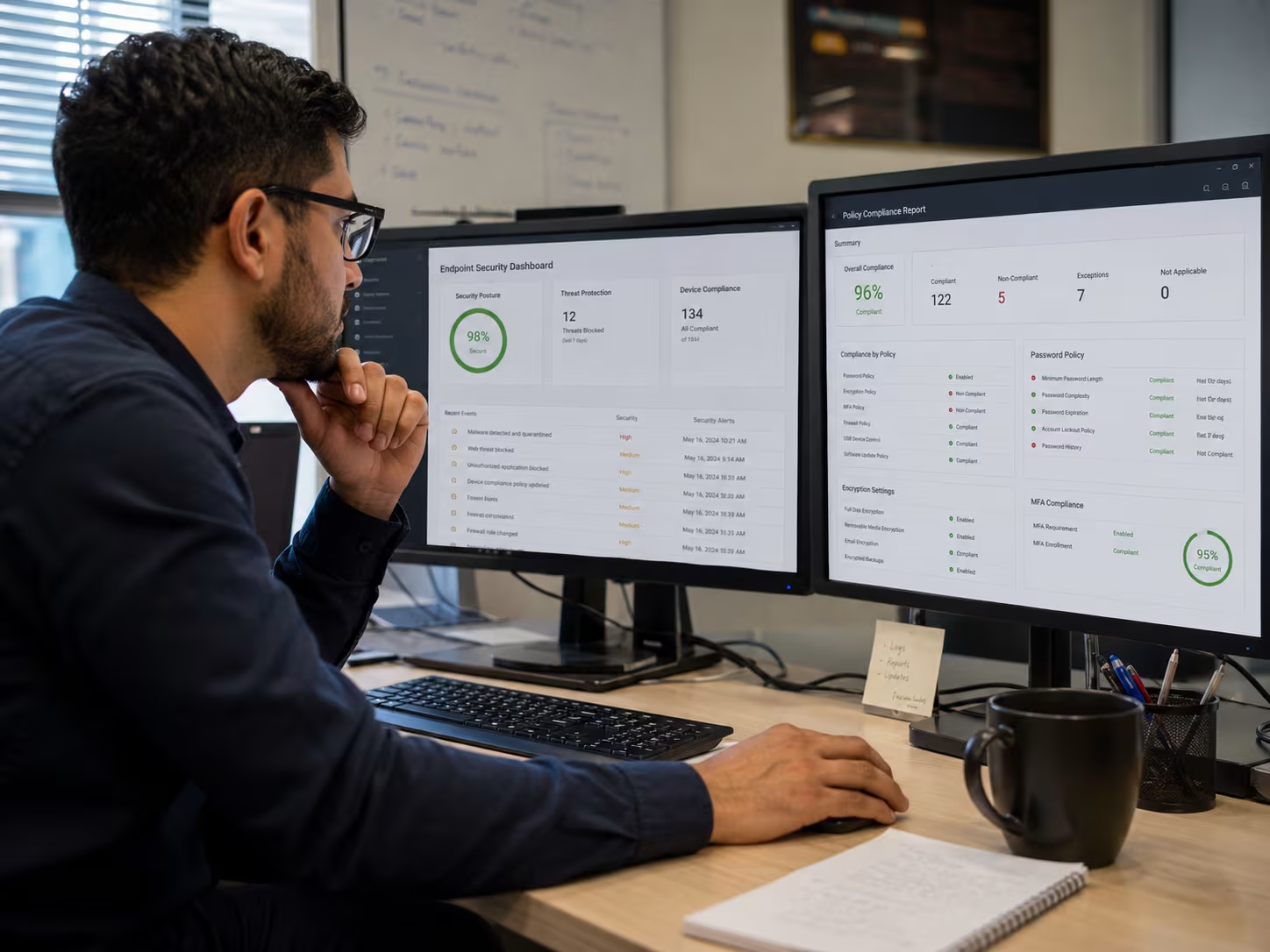
Getting started with an IT security audit doesn’t have to be overwhelming. Begin by choosing a qualified auditor or IT audit services provider who understands your industry. They will guide you through the audit process, from reviewing your current systems to delivering a final audit report.
Work closely with your auditor to gather the information they need. This includes access to your network, security policies, and any previous audit reports. The more open and organized you are, the smoother the process will be. After the audit, use the findings to strengthen your IT security and plan for future improvements.
Following best practices makes your IT security audit more effective and less stressful:
A few simple steps can make a big difference in your overall security.

Are you a business with 15-80 employees looking to improve your IT security? Growing businesses often face new security challenges as they expand, and an IT security audit can help you stay protected while you grow.
We understand the unique needs of businesses like yours and offer IT audit services designed to fit your size and industry. Our team will guide you through the entire audit process, from planning to the final audit report. Contact us today to see how we can help you strengthen your IT security and protect your business.
A security audit checks your company’s security controls, such as firewalls and password policies, to see if they protect against cyber threats. A compliance audit, on the other hand, makes sure your business meets specific industry standards or legal rules. Both audits help you find security gaps, but their focus is different.
Having both types of audits ensures your business is not only secure but also follows the rules that apply to your industry. This can help you avoid fines and build trust with customers.
It’s best to conduct an IT security audit at least once a year, but some businesses need more frequent checks. The right schedule depends on your industry, the type of audit you need, and how quickly your systems change.
Regular audits help you catch new security threats early and keep your information security up to date. This also gives you a chance to update your security measures as your business grows.
A good security audit checklist covers network security, data security, physical security, and your security policies. It should also include checks for compliance audit requirements and a review of your incident response plans.
Using a checklist helps your auditor stay organized and makes sure nothing important is missed. It’s a practical way to keep your audit process efficient and thorough.
Security audits are important because they help you find weaknesses before cyber threats can exploit them. Small and medium businesses are often targets because they may not have strong security controls in place.
By running regular audits, you improve your overall security posture and reduce the risk of data breaches. This protects your reputation and keeps your customers’ trust.
A penetration test is when security experts try to break into your systems to find weaknesses. It’s a hands-on way to test your defenses and see how well your security measures work in real life.
Penetration tests are often part of a comprehensive security audit. They help you spot problems that automated tools or checklists might miss, giving you a clearer picture of your security risk.
Automated tools can scan your networks, systems, and applications for known security threats. They make it easier to collect data and spot issues quickly.
These tools are helpful for both internal audit teams and external security auditors. They save time and help you focus on fixing the most important problems found during your IT security audit.
.avif)
My interest in technology began early, back in 1993 with a Macintosh SE. By the age of ten, I had already built my first PC, and within a few years, I was repairing and upgrading computers for people in my community. At fifteen, I started LEET Services, taking on IT work even before I was old enough to drive. A request to help a local business with their IT marked a turning point, leading me from home calls into the world of business technology.