



Discover what multi-factor authentication is and how a staged rollout can enhance security without disrupting productivity.

October 9, 2026
Manufacturers today face constant pressure to improve efficiency, reduce costs, and keep up with new technology. IT solutions for manufacturing can help you solve these challenges by streamlining business processes, boosting productivity, and protecting your operations from disruption. In this blog, you'll learn how digital transformation, automation, and artificial intelligence (AI) are changing the manufacturing industry. We’ll cover the most important solutions for manufacturing, how to optimize your supply chain, and practical steps to modernize your manufacturing operations. You’ll also discover how scalable IT systems and real-time analytics can help reduce downtime and keep your intellectual property safe.
IT manufacturing solutions are a set of technologies and services designed to help manufacturers run their businesses more efficiently. These solutions include everything from data analytics and automation to cybersecurity and cloud-based systems. By using IT solutions for manufacturing, companies can streamline workflows, improve product quality, and respond quickly to changes in demand.
Manufacturing companies rely on IT solutions to connect machines, manage data, and keep their supply chain running smoothly. With the rise of Industry 4.0 and smart manufacturing, digital manufacturing tools are now essential for staying competitive. Whether you’re a small manufacturer or a large enterprise, the right IT solutions can help you modernize your operations and protect your intellectual property.
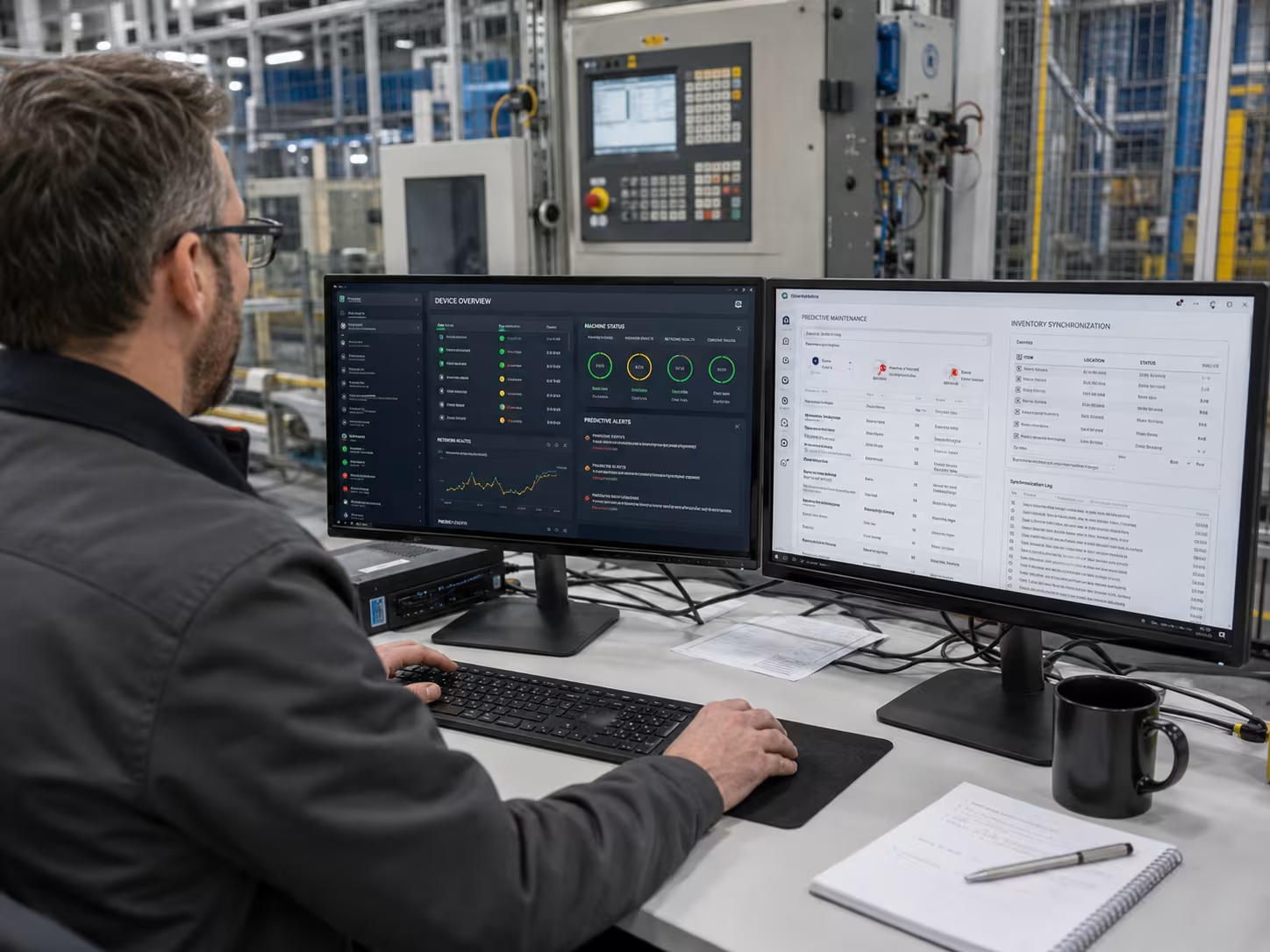
Optimizing manufacturing operations with IT requires a mix of smart planning and the right technology. Here are some key strategies you can use to get the most out of your IT investments.
Data analytics helps you track production, spot trends, and identify problems before they become serious. By collecting real-time data from your machines and systems, you can make faster, smarter decisions that improve efficiency and reduce waste.
Automation tools can handle routine jobs like scheduling, inventory tracking, and quality checks. This frees up your team to focus on higher-value work and helps reduce errors caused by manual processes.
Enterprise Resource Planning (ERP) systems connect all parts of your business, from sales to production to shipping. Integrating ERP with your manufacturing IT services ensures everyone has access to the same information, which helps avoid miscommunication and delays.
Cybersecurity is critical for manufacturers. Protecting your systems from cyberattacks and unauthorized access keeps your operations running and your intellectual property safe. Regular updates and employee training are key parts of a strong security plan.
Downtime can be costly. Setting up alerts and dashboards to monitor your equipment and systems helps you catch problems early. Predictive maintenance tools can even warn you before a machine fails, so you can fix it before it stops production.
Cloud-based IT solutions let you add or remove resources as your business grows. This flexibility is especially useful for manufacturers who need to respond quickly to changes in demand or scale up for new projects.
The Internet of Things (IoT) connects machines, sensors, and devices across your factory. IoT solutions help you track performance, automate tasks, and optimize your workflow for maximum efficiency.
Modern IT solutions for manufacturing offer several important advantages:

Digital transformation is changing the way manufacturers operate. By moving to digital systems, companies can streamline their business processes, improve product quality, and respond faster to customer needs. Digital manufacturing tools like AI-powered analytics, automation, and cloud computing are helping businesses modernize and stay ahead of the competition.
One of the biggest benefits of digital transformation is the ability to use real-time data. This means you can monitor production, track inventory, and spot problems as they happen. With the right IT solutions for manufacturing, you can make quick adjustments to avoid delays and keep your operations running smoothly. Digital transformation also makes it easier to scale your business, add new products, and enter new markets.
Smart manufacturing uses technology to make factories more efficient, flexible, and responsive. Here are some ways smart manufacturing can help your business succeed.
Smart manufacturing connects machines, people, and processes through IT solutions. This gives you a clear view of your entire operation and helps you spot issues before they cause problems.
AI can analyze data from your equipment to predict when maintenance is needed. This helps you fix machines before they break down, reducing downtime and saving money.
Automated quality control systems use sensors and cameras to check products as they are made. This ensures high quality and reduces the risk of defects reaching your customers.
Real-time data from your supply chain helps you track shipments, manage inventory, and avoid delays. IT solutions for the manufacturing industry can help you respond quickly to changes in demand or supply disruptions.
Manufacturers often have valuable designs and processes. Smart manufacturing includes cybersecurity tools to keep your intellectual property safe from theft or cyberattacks.
Automation tools can handle everything from scheduling to reporting. This helps your team focus on more important tasks and keeps your business running smoothly.
As your business grows, you need IT systems that can grow with you. Scalable IT solutions make it easy to add new machines, locations, or products without major disruptions.
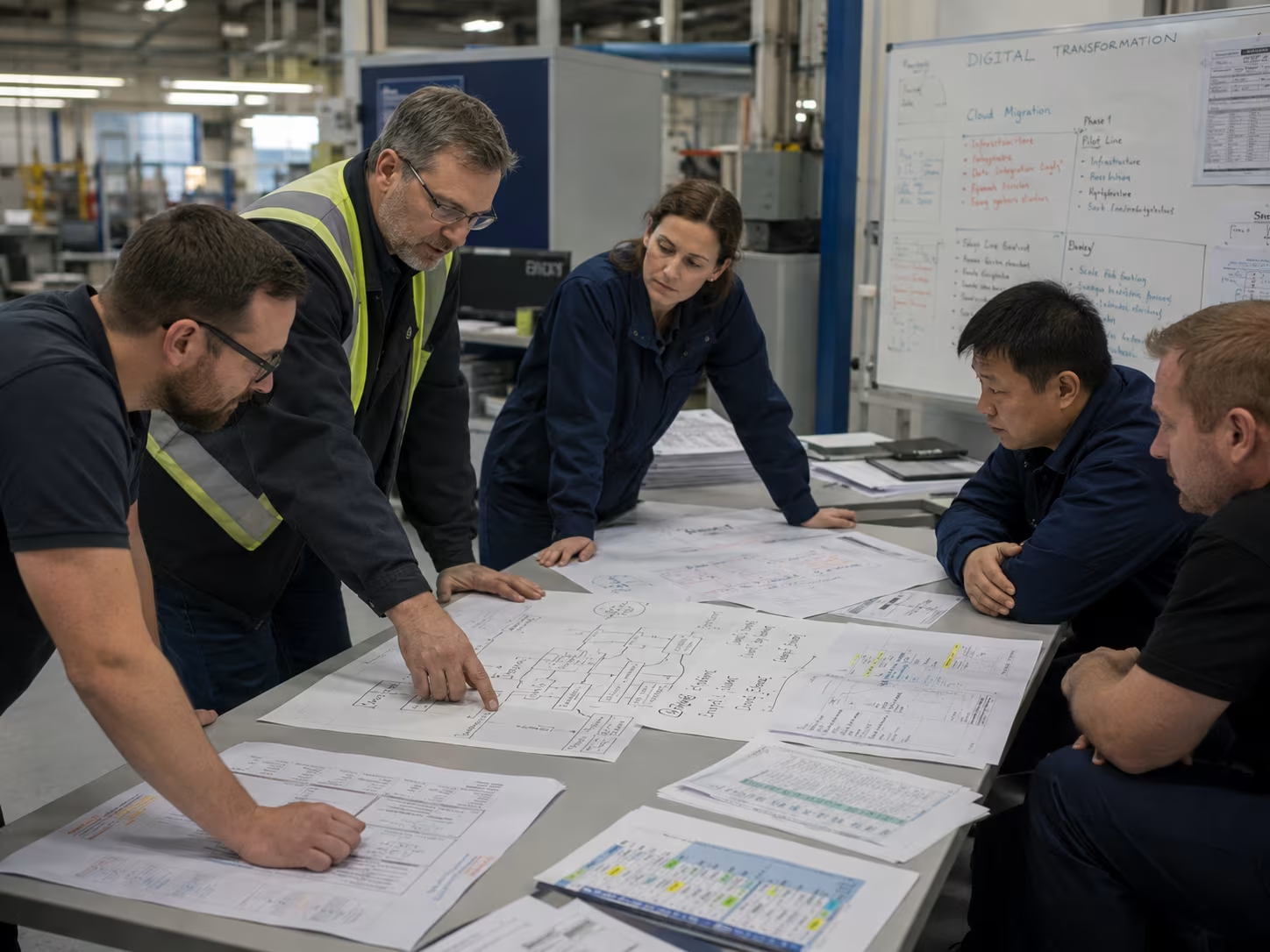
Implementing IT solutions for manufacturing starts with a clear plan. First, identify the areas where technology can make the biggest impact—such as reducing downtime, improving quality, or speeding up production. Work with your team to set goals and decide which solutions will help you reach them.
Next, choose reliable systems that fit your budget and business needs. Look for IT solutions that are easy to use and can be integrated with your current equipment. Make sure you have a plan for training your staff and supporting them as they learn new tools. Regularly review your progress and adjust your strategy as needed to keep improving your manufacturing efficiency.
Successful IT adoption in manufacturing depends on a few key practices:
By following these steps, you can make sure your IT investments deliver real value and help your business grow.
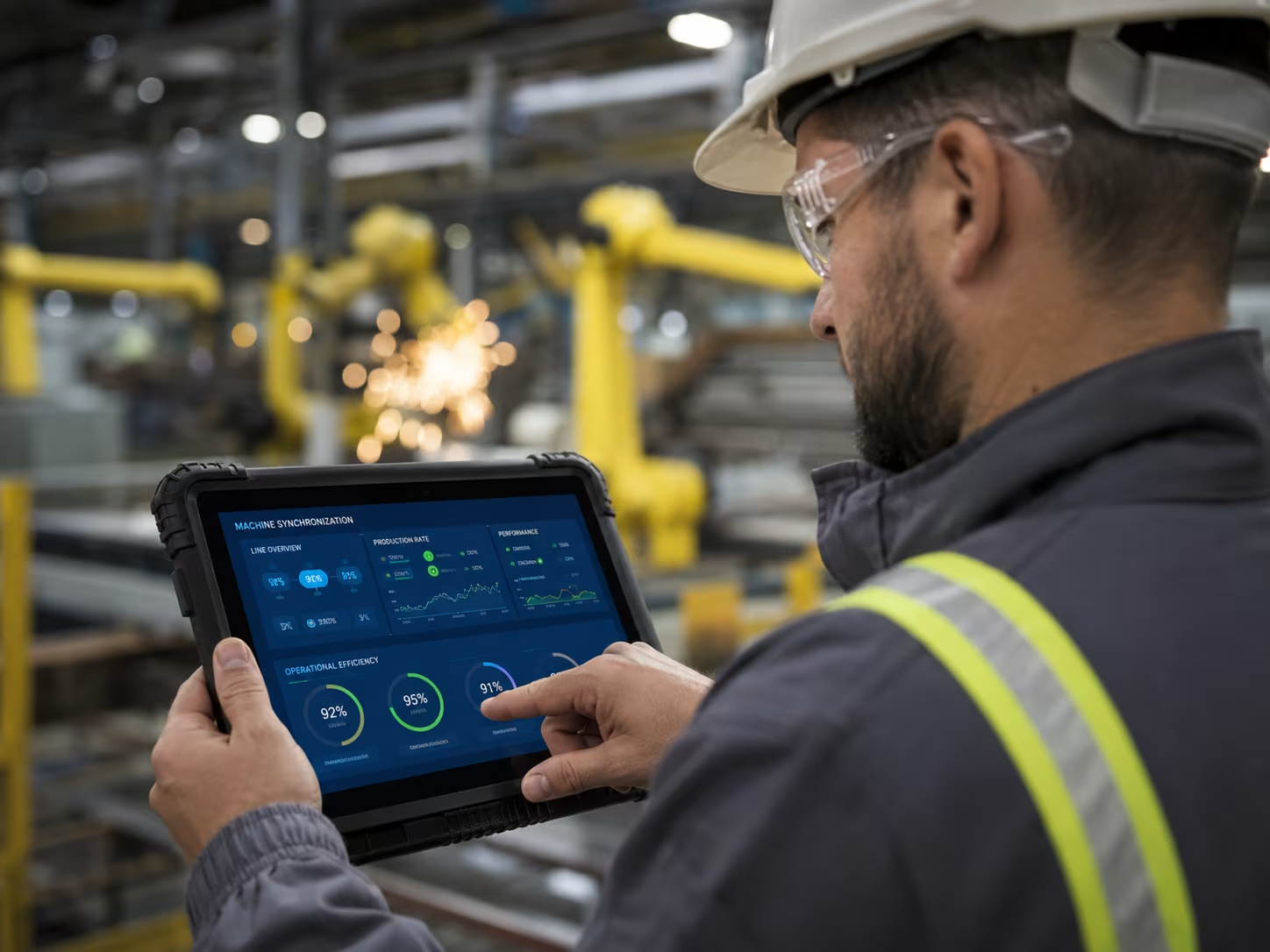
Are you a manufacturer with 15-80 employees looking to modernize your operations? If your business is growing and you need reliable IT solutions for manufacturing, our team can help you streamline processes, boost productivity, and protect your data.
We understand the unique challenges manufacturers face, from managing supply chains to reducing downtime. Leet Services offers tailored IT solutions for the manufacturing industry, including digital manufacturing tools, cybersecurity, and scalable systems. Contact us today to see how we can help your business succeed.
The most important IT solutions for the manufacturing industry include automation, analytics, and cybersecurity. Automation helps streamline repetitive tasks, while analytics provides insights into production and supply chain performance. Cybersecurity protects your systems and intellectual property from threats.
Using these solutions can help you optimize your workflow, reduce downtime, and improve overall productivity. Many manufacturing companies also use ERP systems and IoT devices to connect their operations and make better decisions based on real-time data.
AI can analyze large amounts of data to identify patterns and predict equipment failures before they happen. This allows you to schedule maintenance and avoid costly downtime. AI-powered systems can also optimize production schedules and improve product quality.
By using AI in your manufacturing operations, you can increase efficiency, reduce waste, and respond more quickly to changes in demand. AI tools are especially helpful for manufacturers looking to modernize and stay competitive.
Digital manufacturing uses technology to connect machines, people, and processes. This improves communication, reduces errors, and helps you respond faster to customer needs. Digital manufacturing also supports real-time monitoring and predictive maintenance.
Manufacturers who adopt digital manufacturing can streamline their business processes, improve product quality, and reduce costs. It’s a key part of digital transformation and staying ahead in the industry.
The supply chain is a critical part of manufacturing, and IT solutions help you manage it more effectively. With real-time data and analytics, you can track shipments, manage inventory, and avoid delays.
IT solutions for manufacturing industry also help you respond quickly to disruptions and keep your operations running smoothly. This is especially important for manufacturers who need to meet tight deadlines and maintain high quality standards.
Industry 4.0 brings together automation, IoT, and data analytics to create smart factories. Modern manufacturing benefits from these technologies by improving efficiency, reducing downtime, and enabling better decision-making.
With industry 4.0, manufacturers can monitor equipment in real time, automate quality checks, and use dashboards to track performance. These tools help you stay competitive and meet the demands of today’s market.
Many manufacturers have improved productivity and reduced costs by adopting IT solutions like predictive maintenance and automation. For example, some companies use AI-powered analytics to spot problems early and avoid disruptions.
Others have modernized their operations with scalable cloud systems and real-time dashboards. These success stories show how IT solutions for manufacturing can drive growth and help businesses stay ahead of the competition.
.avif)
My interest in technology began early, back in 1993 with a Macintosh SE. By the age of ten, I had already built my first PC, and within a few years, I was repairing and upgrading computers for people in my community. At fifteen, I started LEET Services, taking on IT work even before I was old enough to drive. A request to help a local business with their IT marked a turning point, leading me from home calls into the world of business technology.