



Discover what multi-factor authentication is and how a staged rollout can enhance security without disrupting productivity.

October 9, 2026
Network segmentation best practices are essential for protecting your business from cyber threats and limiting the spread of attacks. By dividing your network into smaller, manageable parts, you can control access, improve monitoring, and reduce risks. In this blog, you’ll learn what network segmentation is, why it matters, and how to apply best practices for stronger network security. We’ll also cover security policies, firewalls, and how network segments help keep your data safe.
Network segmentation best practices start with understanding how dividing your network into separate sections can limit the damage from cyber incidents. When you segment your network, you create barriers that stop attackers from moving freely if they get inside. This approach is especially important for businesses that handle sensitive data or use multiple devices and applications.
A flat network, where everything is connected without barriers, makes it easier for threats to spread. By using segmentation, you can apply different security policies to each part of your network. This means you can control who accesses what, making it harder for unauthorized users to reach critical systems. For example, you might separate your guest Wi-Fi from your business systems or use VLANs to keep departments apart.

It’s easy to overlook key details when setting up network segmentation. Here are some strategies to help you avoid the most common mistakes and keep your network secure.
Not setting clear access rules can leave your network open to unnecessary risks. Make sure each segment only allows access to those who truly need it. This limits the chance of internal or external threats moving between segments.
Security policies should be reviewed and updated often. If you forget to update them, your network segments might not be protected against new threats. Schedule regular reviews to keep your defenses strong.
Using just one firewall for all segments creates a single point of failure. Instead, place firewalls between key network segments to add extra layers of protection. This setup helps catch threats before they can spread.
Without proper monitoring, unusual activity can go unnoticed. Use tools that track traffic between segments. This helps you spot issues early and respond quickly.
Mixing sensitive data with general network traffic increases risk. Always keep critical information in its own segment. This makes it harder for attackers to access important files.
Regular audits help you find weaknesses in your segmentation setup. Check your network segments and access controls at least once a year. Fix any gaps you find right away.
If you don’t document your segmentation plan, it’s easy to lose track of what’s protected. Keep clear records of all segments, access rules, and changes. This makes troubleshooting and updates much easier.
Segmenting your network has several important advantages:

Microsegmentation takes network segmentation best practices a step further by dividing your network into even smaller parts. This approach gives you more control over who can access each resource. It’s especially useful for businesses with cloud environments or many virtual machines.
With microsegmentation, you can apply security policies at a very detailed level. For example, you might allow a specific application to communicate only with certain servers. This reduces the risk of lateral movement if an attacker gets inside. Microsegmentation also helps you meet strict compliance requirements by limiting access to sensitive data.
Implementing microsegmentation does require careful planning. You’ll need to map out your applications, understand how they communicate, and set up rules that balance security with business needs. While it can be more complex than traditional segmentation, the added protection is often worth the effort.
To get the most from network segmentation best practices, follow these steps:
Start by listing your most important data, systems, and applications. Knowing what needs the most protection helps you plan your segments.
Understand how data moves between devices and departments. This helps you design segments that make sense for your business.
Set rules for who can access each segment and what they can do. Make sure these policies are easy to understand and enforce.
Virtual LANs (VLANs) and routers help you physically and logically separate network segments. Use them to keep sensitive areas apart from general traffic.
Place firewalls at key points to control traffic between segments. This adds extra layers of defense and helps block unauthorized access.
Check your segmentation setup often. Use monitoring tools to track traffic and spot unusual activity. Audit your segments and access controls to find and fix any weaknesses.
Keep clear records of your segmentation plan and any changes. Make sure your team understands the rules and knows how to follow them.
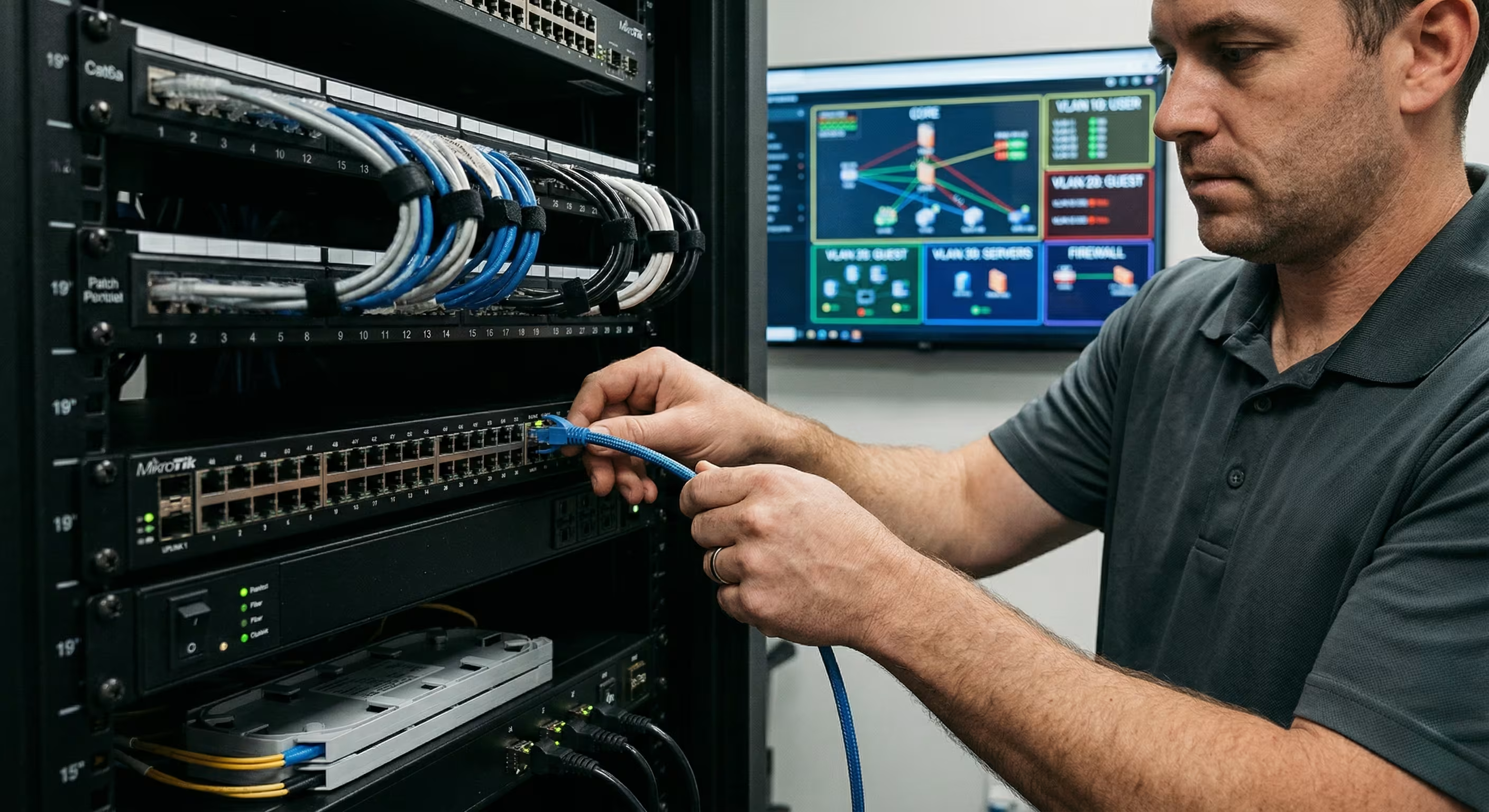
A strong segmentation plan should include:
Following these steps and features will help you apply segmenting network best practices and keep your business safe.
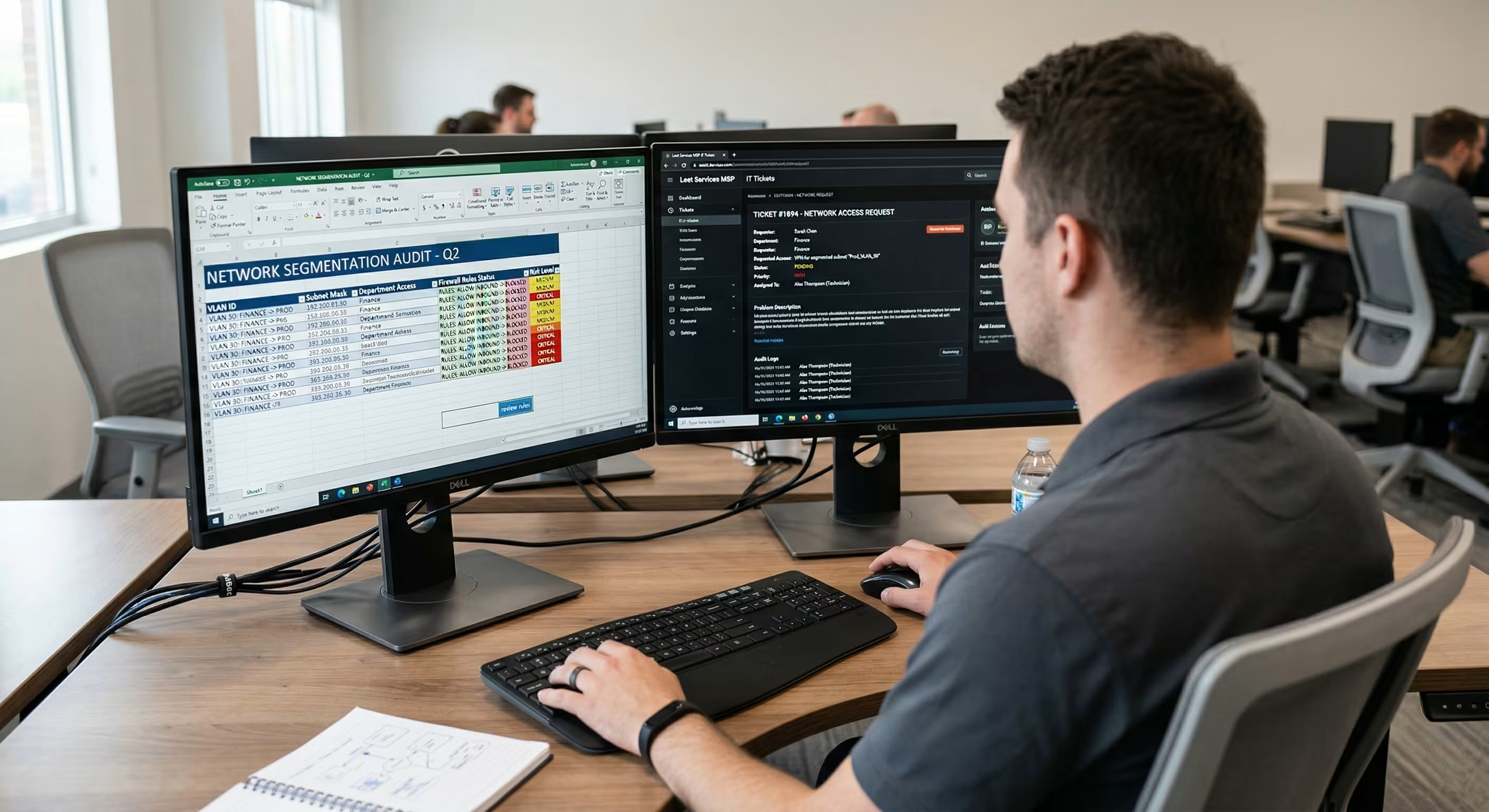
Are you a business with 15-80 employees looking to improve your network security? As your company grows, keeping your data safe and your systems running smoothly becomes even more important. Our team understands the unique challenges that come with scaling up and can help you apply network segmentation best practices tailored to your needs.
We specialize in designing, implementing, and maintaining secure network environments. If you want to reduce risks, meet compliance requirements, and protect your business from cyber threats, contact us today. Let Leet Services show you how effective segmentation can make a real difference for your business.
Network segmentation is the process of dividing your network into smaller sections, called network segments. This helps control access and limits the spread of threats. By using segmentation, you can apply different security policies to each part, making it harder for attackers to move around.
A segmented network also makes it easier to monitor traffic and spot unusual activity. This approach is a key part of any strong cybersecurity plan and helps protect sensitive data.
To implement network segmentation, begin by identifying your critical assets and mapping out how data moves in your network. Use VLANs and routers to separate different departments or device types. Place firewalls between segments to control traffic and block unauthorized access.
It’s important to set clear access control rules for each segment. Regularly review and update your segmentation plan to address new risks and business changes.
Segmenting a flat network helps contain cyber threats by stopping them from spreading across your entire system. It also allows you to apply specific security policies to each segment, improving your overall network security.
With proper segmentation, you can meet compliance requirements more easily and respond faster to incidents. This makes your IT environment safer and more manageable.
Microsegmentation goes beyond basic segmentation by dividing your network into even smaller parts. This lets you control access at a more detailed level, such as between individual applications or servers.
While traditional segmentation might separate departments, microsegmentation can isolate specific workloads. This approach is especially useful for businesses with cloud environments or strict compliance needs.
Each network segment should have its own set of security policies based on what it contains. For example, sensitive data segments should have stricter access controls and monitoring.
You should also use firewalls and access control lists to limit who can enter each segment. Regularly review and update these policies to keep up with changing threats.
It’s best to audit your network segments and access controls at least once a year, or whenever you make major changes. Regular audits help you find and fix weaknesses before they become problems.
During an audit, check your documentation, review firewall rules, and test access controls. This process helps ensure your segmentation plan stays effective and up to date.
.avif)
My interest in technology began early, back in 1993 with a Macintosh SE. By the age of ten, I had already built my first PC, and within a few years, I was repairing and upgrading computers for people in my community. At fifteen, I started LEET Services, taking on IT work even before I was old enough to drive. A request to help a local business with their IT marked a turning point, leading me from home calls into the world of business technology.