


Discover email security best practices for business email security. Learn actionable steps to protect your company from threats and keep your business email safe.

September 25, 2026
.avif)
.avif)
.avif)
Every small business faces unique technology challenges as it grows. Understanding small business IT support is essential for keeping your operations running smoothly, reducing downtime, and protecting your business from cyber threats. In this blog, you'll learn what small business IT support covers, how to choose the right support services, and the best practices for keeping your technology reliable. We'll also discuss managed IT services, help desk support, and why regular backups are vital for small business owners.
Small business IT support is more than just fixing computers when they break. It covers everything from setting up secure networks to making sure your data is backed up. With the right support, you can avoid costly downtime and keep your business running smoothly.
Many small businesses rely on managed IT service providers to handle their technology needs. These experts help set up systems, monitor for issues, and respond quickly when problems arise. This approach lets you focus on growing your business while knowing your technology is in good hands.
Choosing the right IT support for your business can feel overwhelming. Here are key steps to help you make the best decision for your needs.
Start by looking at the hardware and software you use every day. Make a list of your computers, servers, and any cloud services. Knowing what you have helps you find support that fits your setup.
Think about what your business needs most from IT support. Do you need help desk support for daily issues, or do you want someone to manage your entire network? Clear goals make it easier to find the right provider.
Look for local providers with experience helping businesses like yours. Check reviews and ask for references. A good support provider should understand the needs of small businesses and offer flexible solutions.
Not all IT support services are the same. Some offer 24/7 help desk support, while others focus on cybersecurity or backup. Make sure the provider you choose offers the services that matter most to you.
The best IT support teams don't just fix problems—they prevent them. Ask if your provider offers proactive monitoring to catch issues before they cause downtime.
Before signing up, review the contract carefully. Make sure you understand what is included, how much it costs, and how to get help when you need it. Transparent pricing helps you avoid surprises.
Reliable IT support brings several important advantages:
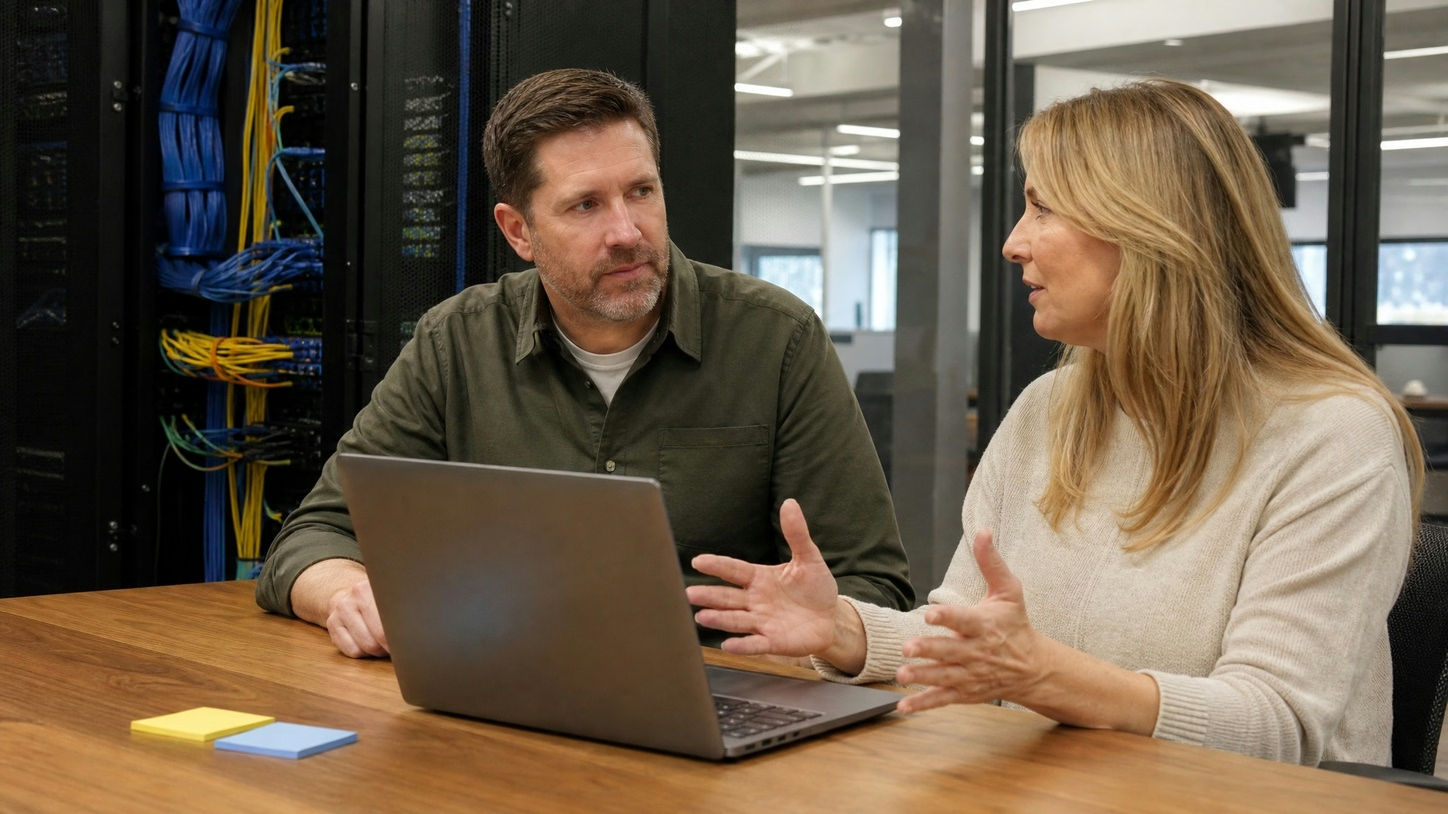
Backup and cybersecurity are two of the most important parts of small business IT support. Without regular data backup, you risk losing important files to hardware failures, accidents, or cyberattacks. A strong backup plan means you can recover quickly if something goes wrong.
Cybersecurity is just as critical. Small businesses are often targets for hackers because they may have fewer protections in place. Good IT support includes setting up firewalls, keeping software updated, and training your team to spot suspicious emails. These steps help protect your business and keep your operations secure.
Keeping your technology running smoothly takes more than just fixing problems as they happen. Here are some best practices that every small business should follow.
Updating your software and hardware helps close security gaps and keeps your systems running well. Set a schedule for updates and stick to it.
Your team is your first line of defense against cyber threats. Teach them how to spot phishing emails and use strong passwords.
Cloud services make it easy to store and share files, but you need to choose secure options. Ask your IT support provider for recommendations.
Proactive monitoring helps catch problems before they cause downtime. Make sure your IT support team is watching for unusual activity.
As your business grows, your technology needs will change. Review your IT setup regularly to make sure it still fits your business.
Don't just set up backup and forget about it. Test your backup regularly to make sure you can recover your data if needed.

Getting the right IT support in place starts with a clear plan. Begin by talking to your team about their technology challenges and what would make their jobs easier. This feedback helps you focus on the most important areas.
Next, work with your chosen IT support provider to set up a service plan that matches your needs. Make sure you understand how to get help, what is included, and how often your systems will be checked. Regular communication with your provider ensures your technology keeps up as your business changes.
Following best practices helps you get the most from your IT support.
These steps help you avoid surprises and keep your business running smoothly.

Are you a business with 15-80 employees looking for reliable IT support as you grow? Our team understands the unique needs of growing businesses and can help you set up the right technology, backup, and cybersecurity solutions for your company.
We know how important it is to protect your business, reduce downtime, and keep your operations running smoothly. Let Leet Services be your trusted partner for small business IT support. Contact us today to discuss your needs and get started.
When choosing IT support services, you should look for providers who understand the needs of small business owners and offer flexible support options. Make sure they can help reduce downtime and provide fast responses when issues come up.
A good IT support provider will also offer managed IT service plans, regular data backup, and help desk assistance. These services ensure your business stays protected and your technology runs smoothly.
To protect your business from cyber threats, work with a provider that offers managed service solutions and keeps your systems updated. Regular staff training is also important to help everyone spot risks.
Using cloud services with strong security and having a clear backup plan are key steps. These actions help you recover quickly if an attack happens and keep your data safe.
Data backup is essential for small businesses because it helps you recover from hardware failures, cyberattacks, or accidental deletions. Without backup, you risk losing important files and facing costly downtime.
A managed IT service provider can set up automatic data backup and test it regularly. This ensures your information is safe and can be restored when needed.
A managed IT service offers proactive monitoring, regular updates, and fast help desk support. This means you spend less time fixing problems and more time focusing on your business.
Managed services also help protect your business from cyber threats and ensure your technology grows with your needs. It's a smart way to keep your systems reliable.
Start by listing your business needs and asking providers about their experience with small business technology. Look for a support provider who offers flexible support services and understands your industry.
Ask about their response times, backup solutions, and how they handle cybersecurity. Choosing the right IT support provider helps you protect your business and plan for future growth.
Support options for small business tech support include help desk services, on-site visits, remote monitoring, and cloud services. Each option offers different levels of support depending on your needs.
Talk to your provider about which support options fit your business best. The right mix of services can help you avoid downtime and keep your operations running smoothly.
.avif)
My interest in technology began early, back in 1993 with a Macintosh SE. By the age of ten, I had already built my first PC, and within a few years, I was repairing and upgrading computers for people in my community. At fifteen, I started LEET Services, taking on IT work even before I was old enough to drive. A request to help a local business with their IT marked a turning point, leading me from home calls into the world of business technology.